Key Components when Creating an High-Performance Commercial Sound Management Network
Wiki Article
Designing an effective professional audio broadcast system is vital for any business that relies on sound to enhance the customer experience. This system allows companies to provide music, announcements, and other audio content to different areas within a premises. Core components in developing a high-performing audio distribution system include an awareness of sound quality, suitable equipment selection, efficient layout planning, and reliable maintenance practices. These aspects work together to ensure that the audio system meets the specific needs of the space and the audience.
Sound quality is one of the most important elements of an audio delivery system. High-quality sound improves the listening experience for clients and can foster a positive atmosphere. Parameters such as speaker types, amplification systems, and sound dynamics all contribute in delivering crisp and even sound. Companies should prioritize purchasing commercial-quality speakers that are appropriate for their setting. For example, exterior areas might require weather-resistant speakers, while indoor areas may achieve better results with surround sound systems. Guaranteeing that all elements are properly aligned and efficiently configured is necessary for reliable performance.
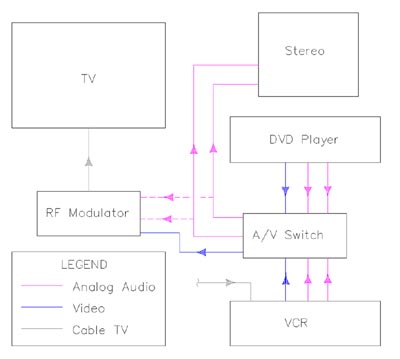
The choice of audio systems plays a crucial part in the capability of the broadcast. This requires identifying the right mixers, boosters, and audio players. Enterprises should evaluate their defined audio requirements before approving buying decisions. For instance, a commercial space might require different systems than a hospitality space or conference center. Additionally, adopting digital technology can elevate functionality. Sound networks that provide off-site management or pairing with smartphones can ensure efficiency in handling audio streams and volume levels throughout multiple spaces.
Planning the arrangement of the audio sound system is another essential factor. A intentionally developed layout secures that sound is properly transmitted across all zones without any drop-offs or sound imbalance in certain locations. This entails thoughtful placement of speakers and evaluation of how sound flows in each click for source setting. Factors such as dimensions, structure, and furnishings can alter acoustics. Performing an audio evaluation can support find the best positions for speakers to deliver clear sound performance throughout the venue.
In conclusion, consistent inspection is necessary to preserve an audio distribution system operating smoothly. Maintenance involves periodic testing on systems reliability, addressing any issues quickly, and refreshing digital controls when needed. Instructing team members on how to handle the system efficiently can also minimize system failures and maximize the service life of the technology. By emphasizing ongoing service, enterprises can preserve consistent audio experience and eliminate technical issues that could reduce the user impression.
Ultimately, implementing an well-functioning corporate audio sound system entails strategic planning of acoustics, device configuration, system mapping, and additional info regular upkeep. When these components are addressed with care, facilities can enrich their setting with exceptional audio quality for their guests. Adopting a professionally planned audio system not only improves communication but also supports a pleasant ambiance that can boost customer experience.